The jackpot kept climbing until the number itself started to look theatrical. By the morning of the 1 August 2026 Powerball drawing, the top prize had swollen to an estimated $707 million, with a cash option of $307.3 million, after yet another rollover left the board untouched.
That kind of figure changes the mood around a draw. A ticket stops feeling like a routine purchase and starts feeling like a passport to a different life, the sort of number people say out loud once, then repeat to themselves in private. The prize is still growing even as the grand prize keeps slipping through the net.
The jackpot has turned into a moving target
Powerball tracker
- Draw date: 1 August 2026
- Estimated annuity jackpot: $707 million
- Cash option: $307.3 million
- Last jackpot win: 27 April 2026
- Last jackpot value: $85 million
- Current rollover streak: 40 straight drawings without a jackpot winner
The path to $707 million began with the last jackpot hit on 27 April 2026, when one ticket matched all six numbers and claimed $85 million. That win reset the game to its floor, and from there the climb was all rollover logic and public impatience. Forty consecutive drawings later, the pot had gone from respectable to headline-grabbing.
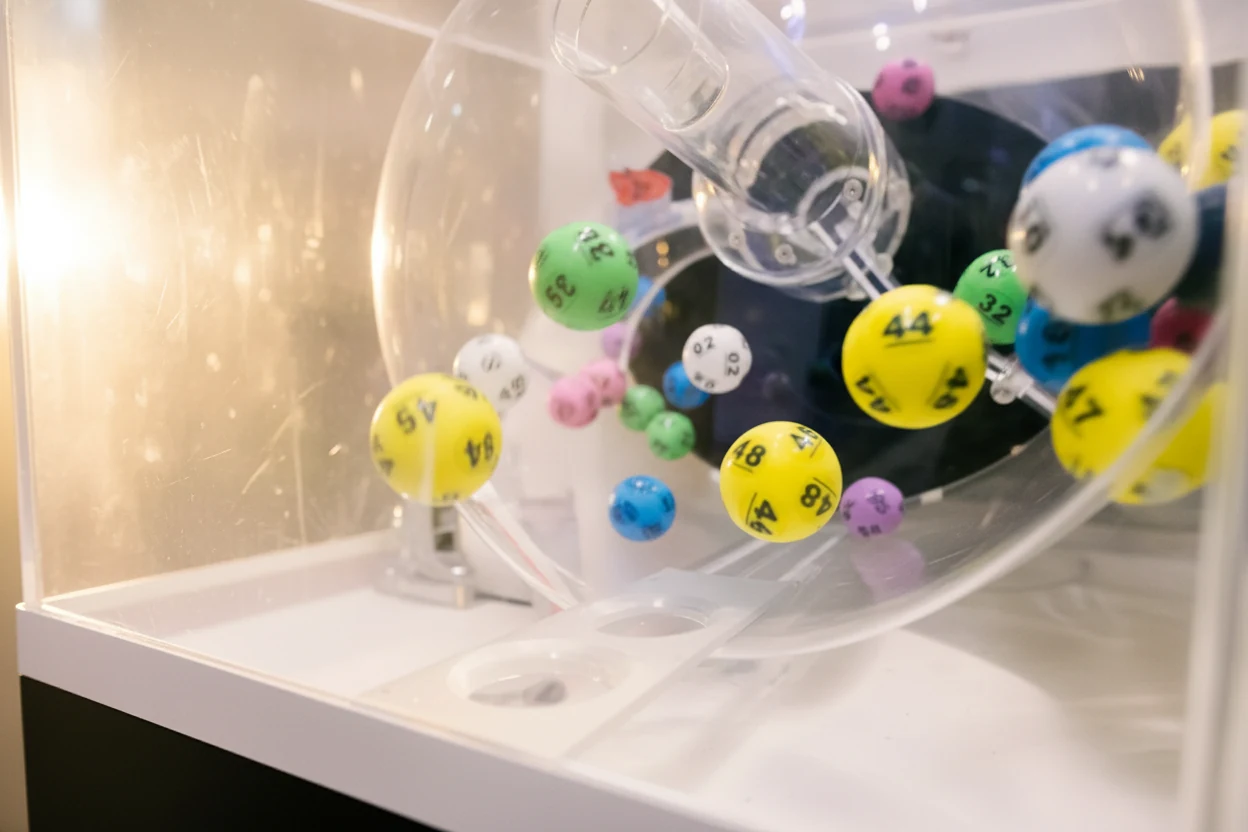
Powerball runs three times a week, on Monday, Wednesday, and Saturday. This gives a rollover streak a hard rhythm. Miss on Wednesday, miss again on Saturday, and the number jumps again. Miss for long enough and the jackpot becomes the story all by itself, bigger than the actual drawing that produced it.
The $707 million figure is the annuity value, paid over 30 instalments across 29 years, with each payment rising by 5 percent. The lump sum is the number that makes people blink: $307.3 million in cash, before taxes take their slice. Winners usually have 60 days from the claim date to choose between the annuity and the cash option. This is a far more serious decision than the ticket itself ever looked like at the counter.
The secondary prizes kept showing up
The most seductive part of a rollover streak is that the near misses start to pile up around the main prize. People do not have to hit the jackpot to leave the draw transformed. Powerball’s second-tier prize, matching all five white balls, is usually worth $1 million. With the Power Play option, that can become $2 million.
In the run-up to 1 August, the smaller wins were not rare background noise. They became part of the plot.
On 29 July 2026, the most recent rollover draw produced at least three $1 million winners, with tickets sold in Florida, Texas and Pennsylvania. Two days earlier, the 27 July draw delivered two more $1 million prizes and one $2 million winner, thanks to a 2x Power Play multiplier, with winning tickets reported in California, New York and Georgia. On 25 July, Arizona added another $1 million winner to the streak.
People sometimes miss this detail when they only look at the headline number. The jackpot can remain untouched while a string of smaller fortunes is already being handed out. A rollover does not mean the draw was empty. It means the biggest prize survived again, while a handful of players walked away with sums that would remake a year, a mortgage, or an entire family argument about money.
What this draw is really selling
The 1 August jackpot was never just a prize pool. It was a public exercise in imagining a cleaner, louder life. At $707 million, the sum is large enough to escape practical comprehension. Most people do not picture 29 years of annuity payments. They picture the house, the debt wiped out, the holiday that does not need a budget, the quiet satisfaction of never needing to ask what something costs.
That fantasy gets stronger when the rollover streak stretches. Each missed draw makes the prize feel less like a lottery payout and more like a national obsession with a cash register attached. The math is simple enough, but the emotional effect is not. A $20 million starting jackpot is one thing. An estimated $707 million after 40 rollovers is something else entirely, a number that starts to hover over the week.
For players, the main divide is no longer jackpot or nothing. It is jackpot, cash option, or one of the million-dollar consolation prizes that are not consolation prizes at all. A five-number match without the Powerball can already buy a new life. A Power Play boost can make it louder.
The next draw kept the pressure on
Once a jackpot passes this kind of size, every new drawing becomes a test of whether the streak will finally break or keep feeding itself. The 1 August 2026 draw sat at the center of that tension, carrying the weight of 40 rollovers, a last win from 27 April, and a cascade of secondary winners that made the pool look active even before the top prize landed.
A giant Powerball run creates two stories at once. One is the obvious one, the hunt for $707 million. The other is the quieter one, where million-dollar tickets keep appearing in different states while the main prize keeps waiting for a name.
For anyone following the tracker, the change from the previous draw was stark. The jackpot was bigger, the cash option was fatter, the rollover count was longer, and the list of secondary winners was growing. The dream was not getting smaller. It was getting more expensive by the day.