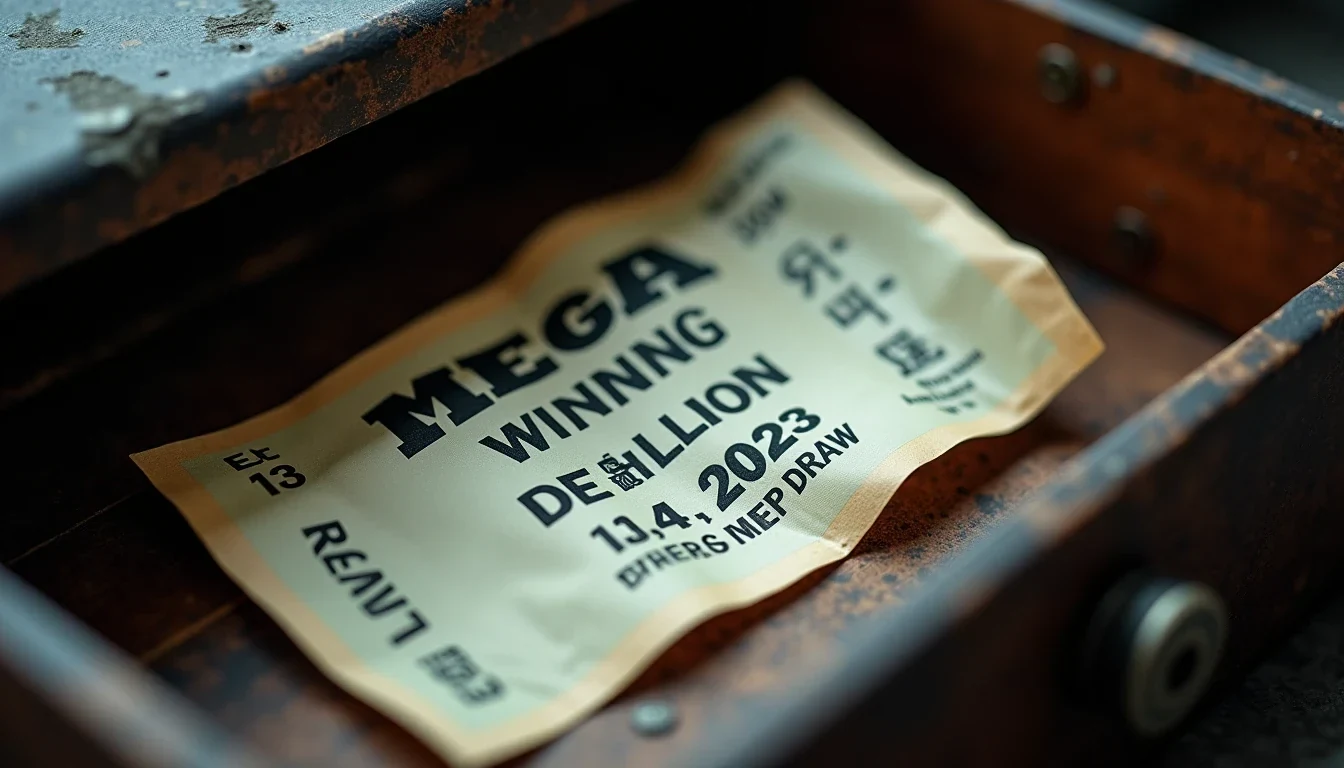
Someone in Encino, California walked around for six months with a fortune worth $197 million in their pocket and never knew it. The ticket, bought for the December 2023 Mega Millions draw that split a $394 million jackpot, sat somewhere. A drawer. A glovebox. A wallet seam. Its twin was claimed promptly. This one expired in June 2024, becoming official history: one of the largest lottery prizes ever to legally stop belonging to its winner.
The mechanics of losing this much money are almost insultingly simple. California gives you 180 days from the draw date. Not from when you remember to check. Not from when you find the ticket crumpled in a coat. One hundred and eighty days, and then the door locks. Other jurisdictions play looser. New York grants a full year. Florida splits the difference: 180 days for cash option, 365 for annuity. The UK National Lottery matches California’s six months. Canada stretches to a year. Australia’s rules scatter by state, with New South Wales offering a generous six years that seems almost reckless by comparison. These deadlines are not natural laws; they are policy choices, and the strict ones create casualties.
The Proof That Never Came
Claiming a jackpot of this scale is not a casual errand. The winner who never appeared would have needed the physical ticket intact and unaltered, government photo ID, a Social Security number for tax withholding, and a completed claim form choosing between annuity payments or the lump sum. They would also need proof of address, bank details for transfer, and then the waiting. Lottery commissions run forensic analysis on big tickets. They interview. They verify purchase location and circumstances. The process takes weeks, sometimes months. The Encino winner never initiated any of it. There was no damaged ticket sent for special review, no nervous call to a claims office, no story that later leaked to local news. Just silence, and then the calendar turned.
This separates the ordinary unclaimed prize from the haunting ones. A $20 winner expires because someone could not be bothered. A $197 million winner expires because someone never learned they had won at all. The ticket may have been a gift given without explanation. It may have been bought on impulse, the numbers never checked against the draw. It may have been lost in a move, a breakup, a hospitalization. Research on large expired prizes consistently points to misplacement or destruction as the leading cause. At this scale, the abstraction feels wrong. A person, a household, a family, briefly ranked among the country’s biggest lottery winners. Then the ranking was erased, and they may never know they held it.
Where the Money Goes Now
Unclaimed prizes do not evaporate. California law sends forfeited draw game funds to public education. The $197 million will flow into classrooms, programs, and budgets across the state. This is the consolation narrative lottery officials can offer: the money still serves the public good. New York often returns unclaimed funds to future prize pools, inflating jackpots yet to come. Florida channels them into educational trusts. The UK’s National Lottery pours forfeited money and its accrued interest into arts, sport, heritage, and community projects. Powerball and Mega Millions, being multi-state, return unclaimed shares to participating states proportionally, each then following its own mandate.
The mechanism is defensible. It also lets the rest of us off too easily. We can tell ourselves the money was not truly wasted. But the redistribution does not resolve the central mystery, the human story that makes these cases linger in the imagination. Someone in Encino was, for a finite window, incomprehensibly lucky. Then they were not. The education budget does not know their name.
The Pattern of Vanished Fortunes
The Encino ticket joins a grim ledger of near-wealth. A $77.1 million Powerball ticket bought in Atlanta in 2003 expired after six months, the largest unclaimed Powerball prize at that time. A $68 million Powerball ticket in Philadelphia, purchased days after a $51.7 million Mega Millions ticket went unclaimed in Queens, both expiring in late 2003. California itself saw a $28.9 million SuperLotto Plus ticket expire in Sacramento in 2021. The UK’s record remains a £63.8 million EuroMillions prize from 2012, sold in Hertfordshire, that no one ever claimed.
Each entry prompts the same questions. Did the buyer die before checking? Did they emigrate, leaving the ticket in storage? Did they check the wrong date, misread one number, convince themselves it was not worth verifying? The lottery commissions do not know. They publish the store location, sometimes the exact purchase time, hoping the buyer recognizes themselves. It rarely works for the largest prizes. The people who respond to those appeals are usually claiming smaller wins they had genuinely overlooked. The jackpot winners, it seems, are too far gone to be reached by publicity.
The Tension That Remains
The standard framing asks how someone could fail to check a ticket this valuable. The better question is whether they ever discovered, too late, what they had briefly possessed. The 180-day window is long enough for multiple life events: a death in the family, a new job, a relocation. The ticket slips from urgent to forgotten to lost. Then, perhaps, a memory surfaces. A recollection of buying in that Encino store, around that December date. A frantic search through old belongings. The dawning, sickening realization of the expiration date passed.
Or perhaps none of this happened. Perhaps the ticket was destroyed unread, the numbers never compared, the win never suspected. The winner may have lived and died without knowing they were once, mathematically, one of the luckiest people in the country. The other half of the jackpot was claimed. Someone celebrated, consulted attorneys, made plans. The symmetry is cruel and complete. Two tickets, same numbers, same store area, same draw. One transformed a life. The other became a funding line in an education budget, its human origin story permanently unknown.
The lottery sells the fantasy of sudden, absolute change. The unclaimed jackpot reveals the reverse: absolute change that arrives and departs unseen, altering nothing. The numbers were right. The timing was wrong. Or the awareness was wrong. Or the ticket was simply in the wrong place at every moment that mattered. The $197 million is not lost in the sense of being destroyed. It is lost in the older sense, the sense that applies to people who wander from their path and cannot be found.