The fantasy goes like this: your numbers come up, the confetti falls, and you alone claim a jackpot large enough to reshape your entire existence. What actually happens, for a staggering share of players, is more like a crowded restaurant bill split six ways. This is not bad luck; it is the birthday sitting in your wallet.
Why Your Lucky Date Is Everyone Else’s Too
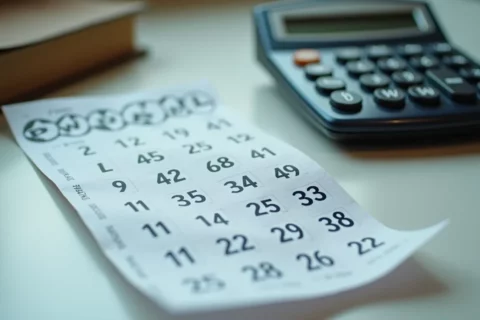
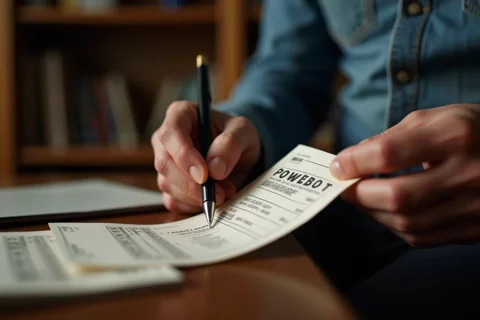
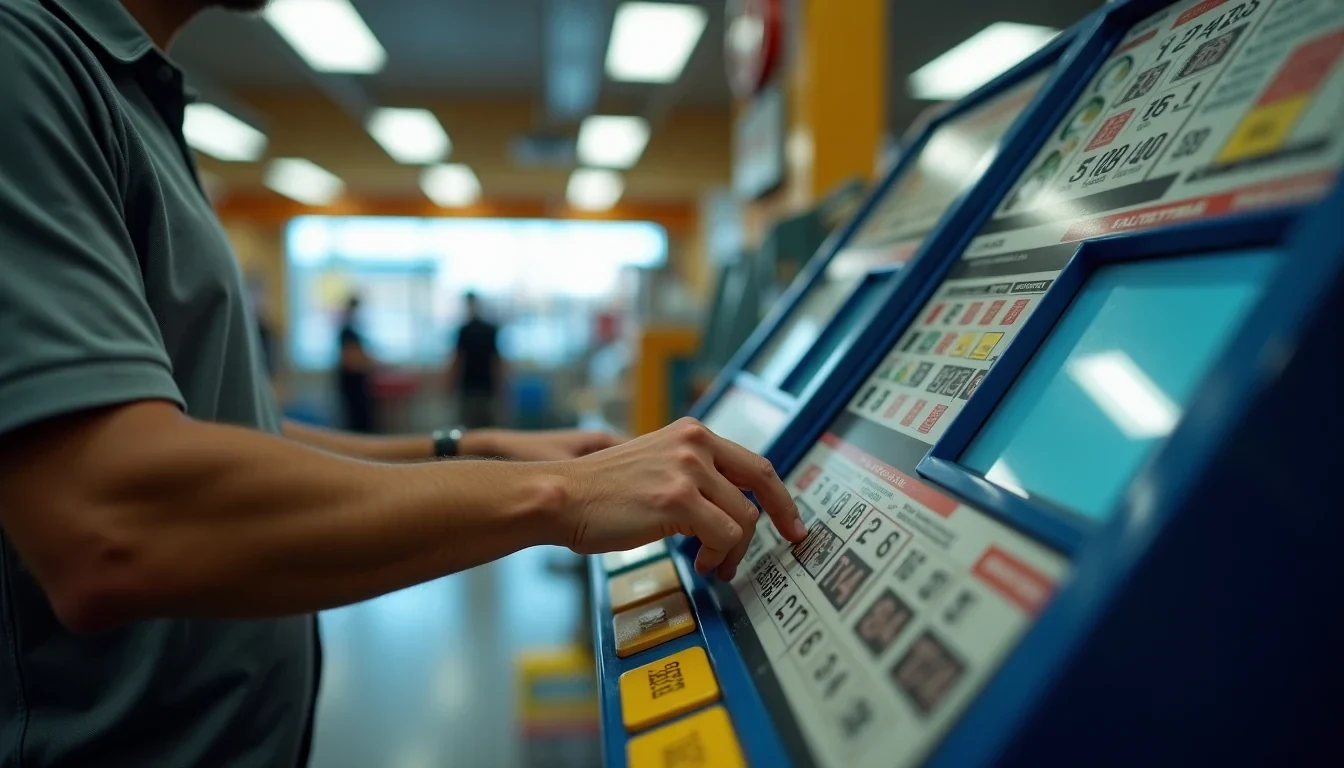
Walk into any lottery terminal and watch how people choose. They lean on birthdays, anniversaries, the day a parent died or a child was born. The numbers feel personal, almost fated, in a game designed to erase personality entirely. This is the illusion of control at work. Humans manufacture meaning from randomness because true randomness feels like staring into the void.
The availability heuristic seals the trap. Dates tied to vivid memories spring to mind faster than arbitrary strings. A wedding anniversary carries emotional weight; 47 does not. Players return again and again to the same narrow band of digits, playing what feels like destiny while actually playing the most crowded corner of the number pool.
The consequence is invisible until it is catastrophic. When a winning draw contains multiple numbers between 1 and 31, the probability of multiple winners spikes dramatically. Your carefully chosen combination, freighted with personal significance, may be held by dozens or hundreds of strangers who felt the same sentimental pull.
The Two Probabilities Nobody Talks About
Every valid ticket in a major lottery carries identical mathematical odds of matching the drawn numbers. In Powerball, that figure is fixed at 1 in 292.2 million. In Mega Millions, it is 1 in 302,575,350. Your birthday numbers do not shrink or expand these odds. The machine does not know your mother’s maiden name.
What changes, and what lottery marketing rarely emphasizes, is the second probability: your chance of keeping the entire jackpot. Player behavior hijacks the mathematics here. A ticket featuring 7, 14, 21, and 28 looks as likely to win as any other on draw night. But if those numbers hit, the celebration is communal. The prize pool gets carved into slices determined by how many other players clustered in the same date-driven neighborhood.
Lottery operators quietly calculate expected winner counts based on historical selection patterns and ticket sales volume. These estimates exist because jackpots do not behave like purely random events once human choice enters the equation. The draw remains random, but the distribution of human bets does not.
The Geography of a Crowded Pool
Major lottery games draw from number pools that extend far beyond the calendar. Powerball reaches 69. Mega Millions stretches to 70. Players who restrict themselves to 1 through 31 ignore roughly half to two-thirds of available numbers, creating a dense thicket of duplicate combinations in the low range while higher numbers sit comparatively untouched.
This clustering produces a perverse outcome. A winning line heavy with numbers above 31, while mathematically no more probable, is statistically less likely to be replicated across multiple tickets. The player who breaks from date-based habit does not win more often. But on the singular night when their numbers do align with the machine, they face better odds of standing alone at the press conference.
The birthday bias is so reliable that lottery historians can identify draws where the winning combination fell mostly below 32 and predict, with uncomfortable accuracy, how many ways the jackpot would split. This is not a flaw in the game design; it is a flaw in human pattern-seeking, exploited by our own sentimentality.
What the Dream Actually Costs
The fantasy of lottery wealth is scaled to solitude. Headlines promise a single transformed life, not a committee of strangers dividing a prize. When a $600 million jackpot splits four ways, each winner receives a sum that still changes lives, but the specific dream, the exact number advertised on billboards and news chyrons, evaporates.
Players who understand this distinction face a choice that has nothing to do with mathematics and everything to do with temperament. Some will always prefer the emotional resonance of significant dates, accepting the sharing risk as the price of personal connection to an impersonal process. Others, learning how crowded the low-number field becomes, might scatter their selections higher, trading sentiment for solitude.
Neither choice alters the fundamental improbability of winning. Both choices reshape what winning looks like on the other side. The lottery does not care what numbers you play. The other players do, and they are all playing their mother’s birthday too.