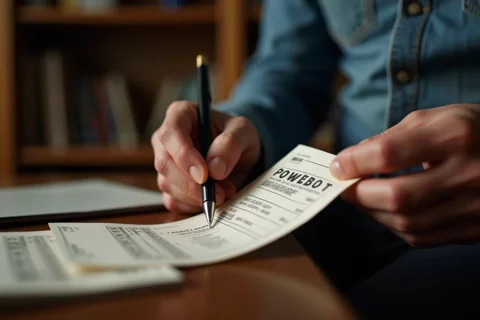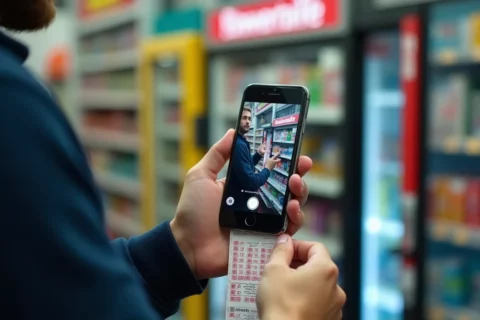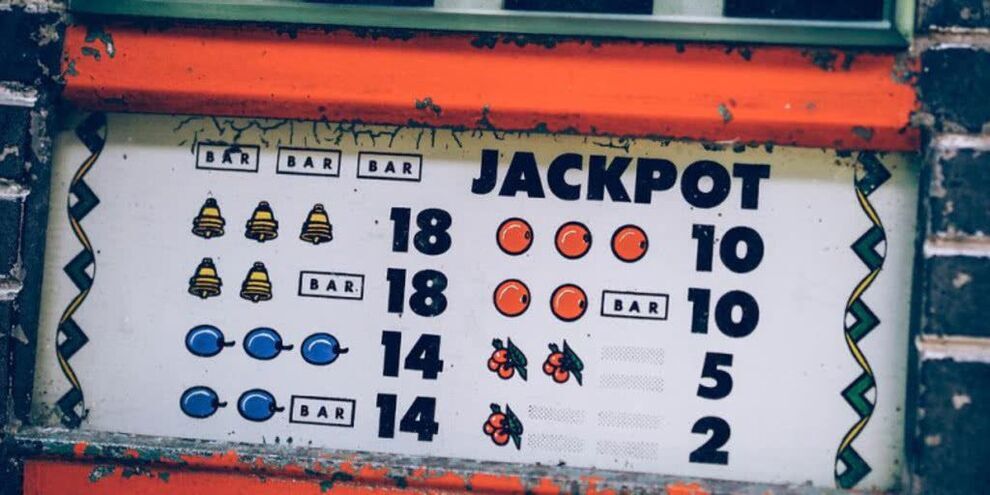
A single ticket changes a stranger’s life forever, and the shop that printed it changes too, in ways no jackpot calculator can predict.
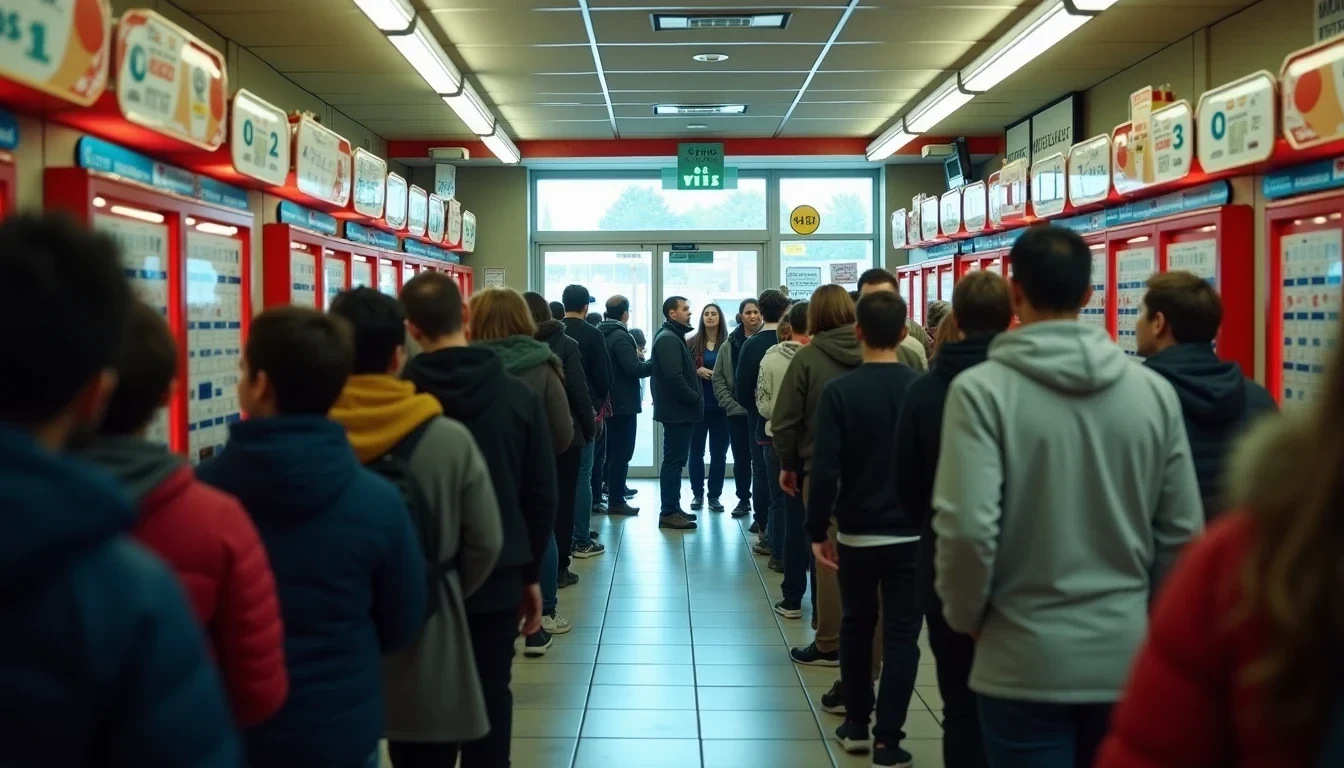
The morning after a major win, the same fluorescent lights buzz over the same instant-noodle shelves. The queue at the counter triples. Strangers drive past three closer stores to stand where lightning struck once. They ask for the machine in the corner, the one with the slightly faded screen, as if plastic and wiring could remember a sequence of numbers. Overnight, the retailer’s business becomes a destination.
The Bonus Nobody Talks About
Lottery operators know what they are doing when they name the shop that sold the winning ticket. That single line in a press release triggers a cascade of free publicity worth far more than any advertising budget. The retailer receives their direct reward too, though its size and shape depend entirely on which lottery system printed the ticket.
In the United States, Powerball and Mega Millions sellers typically collect between half a percent and one percent of the jackpot. Most states cap that figure before it grows absurd. California alone refuses to cap its retailer bonus. When Joe’s Service Center in Altadena sold the record $2.04 billion Powerball ticket in November 2022, owner Joseph Chahayed walked away with $1 million. This sum would have been ten times larger under pure percentage math, but it still transformed his family business. The Chino Hills 7-Eleven that sold one share of the $1.586 billion Powerball jackpot three years earlier collected the same flat $1 million bonus and became a pilgrimage site for lottery enthusiasts from neighboring states.
Across the Atlantic, Ireland’s National Lottery pays fixed bonuses for major wins, usually landing between €15,000 and €25,000 to the shop that facilitated the life-changing moment. The UK National Lottery has been known to hand £50,000 to retailers who sell jackpot-winning tickets. Canada’s Ontario Lottery caps seller prizes at $100,000 for wins above $10,000, while Australian retailers see roughly $10,000 for Division 1 victories. These amounts vary wildly, but they all turn the retailer into a stakeholder in the dream, not merely a cashier for it.
The Luck That Outlasts the Headlines
Moneygall, County Offaly, sits at a curious intersection of fame. The Obama Plaza service station already drew tourists tracing the former American president’s Irish ancestry. Then in 2014, it sold a Lotto ticket worth €8.2 million. The ancestral pilgrimage gained a second draw. Visitors who came for the photographs with the Obama signage stayed for the lottery terminal, and vice versa. The station became a place where two entirely different forms of hope collided and reinforced each other.
This pattern repeats wherever major wins land. KC Mart in Raytown, Missouri, collected its $50,000 bonus for a $298.9 million Powerball ticket in December 2018. The owner later described something more valuable: the sustained surge of customers specifically requesting the “lucky” terminal. Lassens Inc. in Frazier Park, California, reported elevated lottery sales for several years after a $63 million SuperLotto Plus win in 2014. The Village Pantry in Stapleford, Nottinghamshire, saw its general custom lift after a £1 million EuroMillions ticket in 2013. In each case, the financial bonus was spent or invested within months, but the reputation compounded for years.
The Machine That Cannot Remember
The psychology at work here is ancient and stubborn. Customers request the specific terminal that produced a winner, as if random number generation left some residue in the hardware. Lottery machines possess no memory of previous draws. Each ticket exists in perfect statistical isolation from every ticket that came before it. The odds do not bend for geography.
Yet the human mind rebels against this flat randomness. We seek patterns, narratives, footholds of control in pure chance. Buying from a “lucky” store becomes a ritual, a small act of agency in a game that offers none. Confirmation bias does the rest: the thousands who lose at the famous terminal are invisible, while the next winner, if and when they come, will be proof that the magic held. Social proof amplifies the delusion. The queue itself becomes evidence. If this many people believe, perhaps there is something to believe.
Some customers take photographs outside these shops, posting them as talismans. Others treat the visit as a minor pilgrimage, a way to touch the edge of someone else’s transformed life. The retailer, watching this theater, learns to play along without quite promising anything. They know the terminal is cold silicon. They also know that saying so directly would cost them the queue.
The Real Jackpot
For a small convenience store or rural service station, a major lottery win delivers something no marketing consultant could engineer: genuine, organic, self-sustaining fame. This fame brings strangers through the door for years afterward, turns a generic retail space into a place with a story, and makes the owner a minor local celebrity whether they sought the role or not.
The grand prize winner vanishes into wealth management and unlisted phone numbers. The shop remains, its windows perhaps still bearing the faded lottery signage, its counter staff fielding the same questions about whether the luck has run out yet. They have learned to smile and say you never know, which is true in every direction at once.
The winning ticket’s secret jackpot is not the bonus check, though that check helps the retailer. It is the transformation of a place into a shrine to possibility, a location where probability briefly wore a human face, and where hope keeps the register ringing long after the mathematics have moved on.