A €3.7 million jackpot landed on a single ticket in County Donegal, bought by two people who had never bothered to write anything down. For that Irish couple, the win stayed simple because the numbers stayed small. Two players, one understanding, no room for confusion. Stretch that same moment across a cramped office break room or a sprawling family WhatsApp group, and the arithmetic of trust gets brutal fast. Dozens of names, scattered payments, one person holding the physical slip, everyone else nursing a different memory of what was promised. The draw that changes everything is never the moment to discover you were never playing by the same rules.
When Luck Turns Legal
Group play multiplies your coverage on the board. More lines, more combinations, more of that electric feeling that this week might be the week. It also multiplies the surface area for disaster. Research on syndicate failures reads like a catalogue of broken relationships dressed in lottery jargon. Membership disputes arise when someone swears they paid last Tuesday and someone else swears they did not. Contribution claims hinge on whether a bank transfer cleared before cutoff. The person whose fingers actually touch the winning ticket might suddenly decide the syndicate was never real.
The UK courts have seen this film before. In 2007, a brother sued his sister over a £1.6 million win, insisting their family syndicate had always included him. The High Court disagreed, finding no formal agreement and no consistent pattern of participation. That same year, a mother and son fought over £500,000; the son’s verbal claim collapsed against the absence of anything written. These were not strangers. These were people who shared meals and memories, reduced to legal adversaries because a piece of paper felt absurd to prepare for an event with microscopic odds.
The absurdity is the trap. The same document that looks like paranoid bureaucracy on a Tuesday evening looks like essential armour the morning after.
What Belongs on One Page
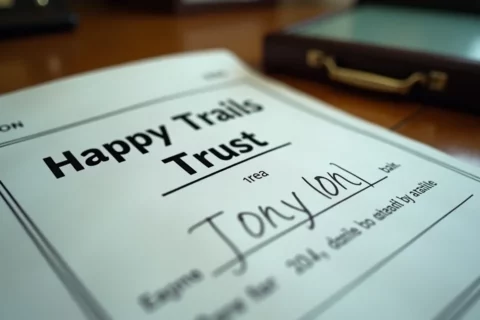
A syndicate agreement does not need a solicitor’s letterhead. It needs seven elements, named clearly, signed by everyone before the first ticket purchase.
Start with the roster. Full names, contact details, signatures. No “I’ll sort it later,” no proxies, no understanding that Dave from accounts is definitely in even though he was on holiday when everyone signed.
Contribution terms come next. Exact amount per draw, exact deadline, exact method. The €3.7 million couple had simplicity on their side. A twenty-person office pool does not. Specify what happens when someone pays late, pays short, or forgets entirely. A 48-hour grace period before exclusion from that draw’s tickets. A reduced share formula for partial participation. An option for others to cover the gap, with the adjustment to shares documented in writing.
Ticket custody demands a single named individual, photographed or scanned copies distributed to all members before the draw, and secure storage in a location agreed collectively. The custodian is not the owner. The custodian is the holder, and the agreement should say so in terms that survive a jackpot’s gravitational pull on human nature.
Number selection method matters. Quick Pick, fixed numbers, rotating choice among members—whatever the group decides, the decision belongs in the document. So does the distribution formula for every prize tier, not just the jackpot, and the protocol for reinvesting small wins versus cashing them out.
The Moment Before the Numbers Fall
The “Syndicate of 32,” those Corby bus drivers who shared £45 million on EuroMillions in 2010, succeeded partly because their system was organised enough to prevent any single point of failure or confusion. Thirty-two people, one massive prize, no public falling out. Contrast that with the Florida “Lunch Bunch,” a group of coworkers who won $29 million in 2009 and promptly faced a lawsuit from a member who claimed exclusion from the winning ticket. The difference between celebration and litigation often traces back to whether someone bothered to clarify, in advance, who paid for which draw.
The Irish couple’s €3.7 million required none of this infrastructure. Their scale protected them. Most syndicates are not so lucky, and “luck” becomes the wrong word entirely when the dispute starts. The paperwork is not about expecting to win. It is about preserving the possibility of enjoying it if you do.
Write the rules while the stakes are still imaginary. Sign them while everyone still trusts each other. File them somewhere every member can access. Then play, and hope, and know that if the numbers ever align, the only surprise left will be the good kind.