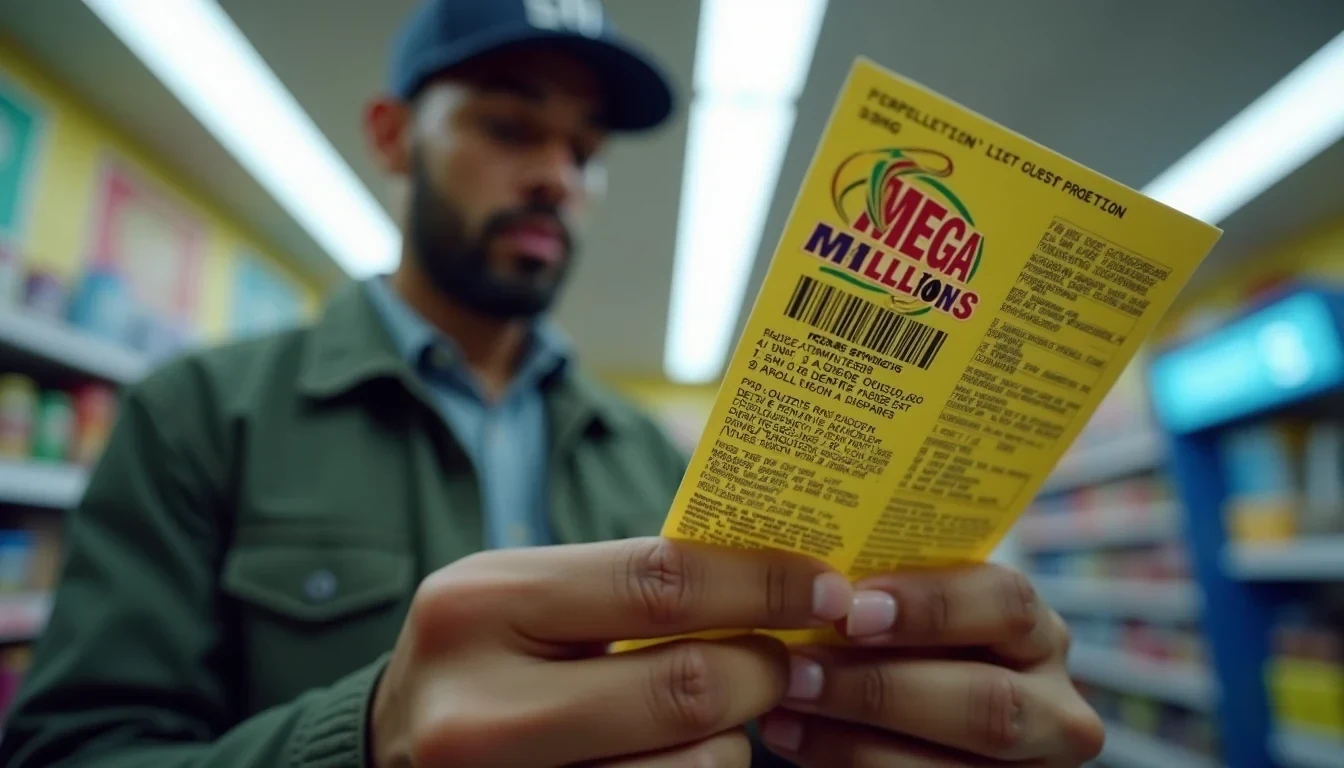
Mega Millions made the ticket more expensive and called the redesign a gift.
The new $5 play buys a slightly better shot at the jackpot, a built-in multiplier on every ticket, and the promise of bigger secondary prizes. None of that changes the central truth: you are still buying a fantasy that sits somewhere between a daydream and a mathematical insult. The numbers moved, but the odds barely did.
The jackpot got a little kinder
Before the redesign in April 2025, the top prize came with odds of about 1 in 302.6 million. After the new rules, those odds improved to roughly 1 in 290.5 million. The gap looks real on paper. In practice, this improvement sounds useful until you put it beside a number with eight digits and a lot of despair attached to it.
Quick read
- Ticket price: $5
- Old jackpot odds: 1 in 302,575,350
- New jackpot odds: 1 in 290,500,000
- Multiplier range: 2X, 3X, 4X, 5X, 10X
The reason for the change is straightforward. Mega Millions reduced the number of Mega Balls in the pool, which trimmed the number of possible jackpot combinations. That makes the headline odds better, but only by about 4 percent. A 4 percent upgrade is great for a phone battery. It is less thrilling for a prize that still refuses to be hit by almost everyone who buys a ticket.
The other change is more theatrical. Every play now comes with a randomly assigned multiplier, meaning each non-jackpot prize is stamped with 2X, 3X, 4X, 5X, or 10X before the draw even starts. That is where the $5 price tries to justify itself. The jackpot dream gets a tiny statistical nudge, and the consolation prizes get a stage light.
The real upgrade lives below the jackpot
The top prize is still the headline, but the redesigned game clearly wants your attention somewhere else. The second-tier prize, for matching all five white balls without the Mega Ball, used to be a flat $1 million. Now that same base prize can climb to $10 million if the ticket carries the 10X multiplier.
This part of the redesign feels genuinely different. A player can still miss the jackpot and walk away with a sum that changes a life, not just a weekend. The range is larger across the board too. Match four white balls and the Mega Ball, and the old $10,000 prize can now land anywhere from $20,000 to $100,000 depending on the multiplier. Smaller wins rise as well because the multiplier applies to every non-jackpot tier.
The old optional add-on model is gone. There is no separate decision to make, no extra dollar to toss on for a better shot at a boosted payout. The multiplier is baked in, which is a cleaner pitch for players and a better margin for the game. You pay more up front, but you no longer have to decide whether to spend extra for the enhanced version. Mega Millions made that choice for you.
The jackpot will likely grow faster
Higher ticket prices do more than change what players see on the slip. They change the pace of the game itself. With each ticket now priced at $5, more money flows into the prize pool with every drawing. That gives the jackpot a faster climb between rollovers.
The more interesting effect sounds modest and behaves dramatically. Because the odds are still enormous, but slightly improved, the jackpot should be won a bit less often than a game with friendlier math and a lower price. Fewer quick wins mean more rollovers. More rollovers mean larger headlines. Larger headlines mean more players lining up for the same impossible dream.
That is how jackpots become events. They are not easy to win, but they are hard enough to build heat. Mega Millions already proved the ceiling when the jackpot reached $1.602 billion in August 2023. The new structure is clearly built to chase that kind of spectacle again, and perhaps to pass it when the rollovers stack high enough.
What $5 actually buys
The honest answer is not more hope. It is more expensive hope with better packaging.
For players chasing the jackpot, the upgrade is thin. The odds are technically improved, but only from absurd to slightly less absurd. The real value sits in the non-jackpot tiers, where a ticket can now deliver far bigger payouts than before, especially if the multiplier lands on 10X. That makes the game more interesting for people who like the idea of a serious prize even if the top number stays out of reach.
For everyone else, the new pricing changes the emotional contract. A $5 ticket is no longer a casual impulse buy in the same way a cheaper play might have been. It asks for more commitment, then offers the same old fantasy with sharper lighting. The jackpot is a little more reachable. The consolation prizes are better. The dream itself is still almost impossible.
That is probably the sharpest reading of the redesign. Mega Millions did not make winning likely. It made losing slightly more rewarding, and winning only marginally less fictional.