Powerball’s strangest trick is that it can get louder without getting kinder to your ticket. The jackpot swells, the headlines get flashier, and the fantasy gets bigger. Your own line still faces the same brutal math.
People keep missing this. A larger crowd can pump more money into the pool, push the prize upward faster, and make each rollover feel like a national event. It does not bend the odds for one player. One ticket still has the same tiny shot at the top prize whether the draw is local, global, or suddenly being discussed in a new market like the UK.
Bigger crowds feed the pot
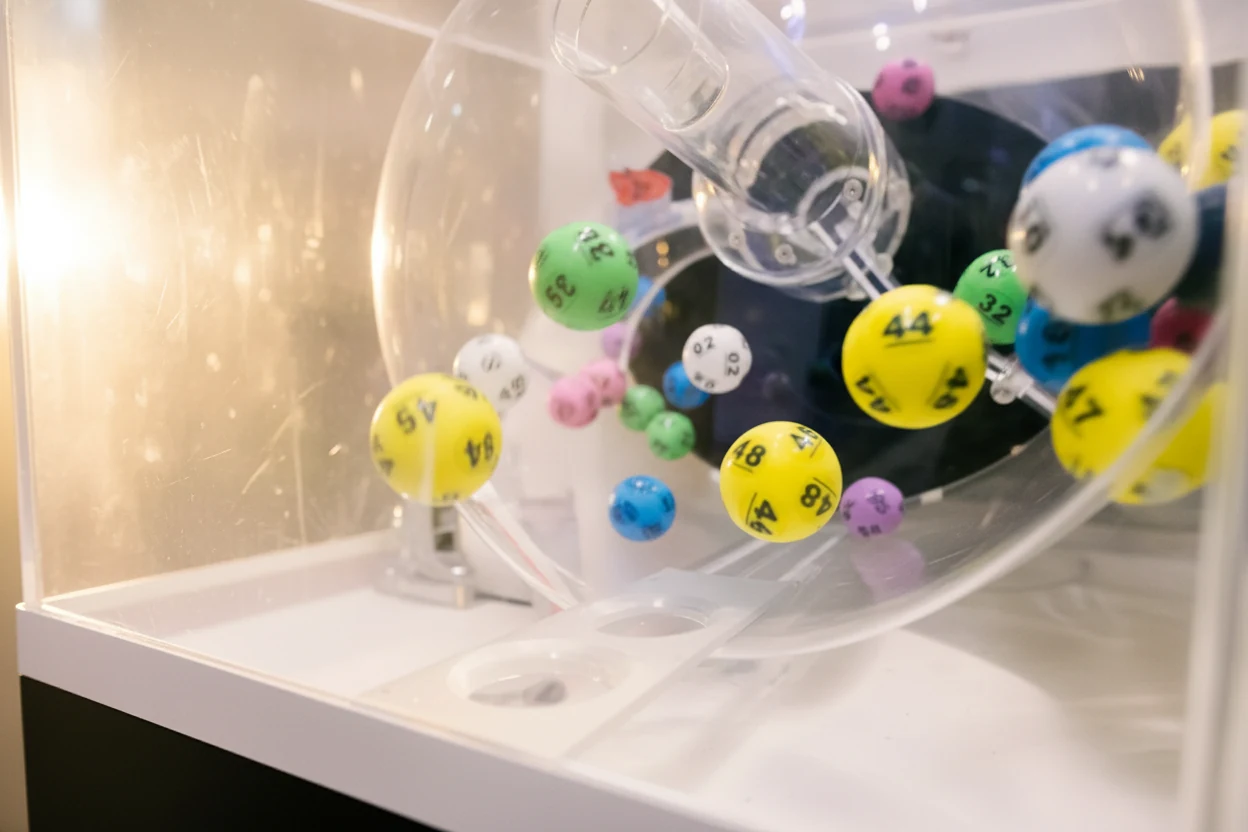
Powerball works like a prize engine built on sales. A slice of every ticket helps fund the jackpot. When more people buy in, more money flows into the same central pot. If the game reaches a wider audience, the prize can climb faster because more tickets are being sold into the system.
Expansion matters to the size of the jackpot, even if it does nothing to improve a single player’s chance. A bigger market means a bigger stream of contributions. During rollover streaks, when nobody hits the winning combination, those contributions keep stacking up. The result is the kind of headline number that turns a draw into a spectacle.
Powerball at a glance
- Jackpot odds: 1 in 292,201,338
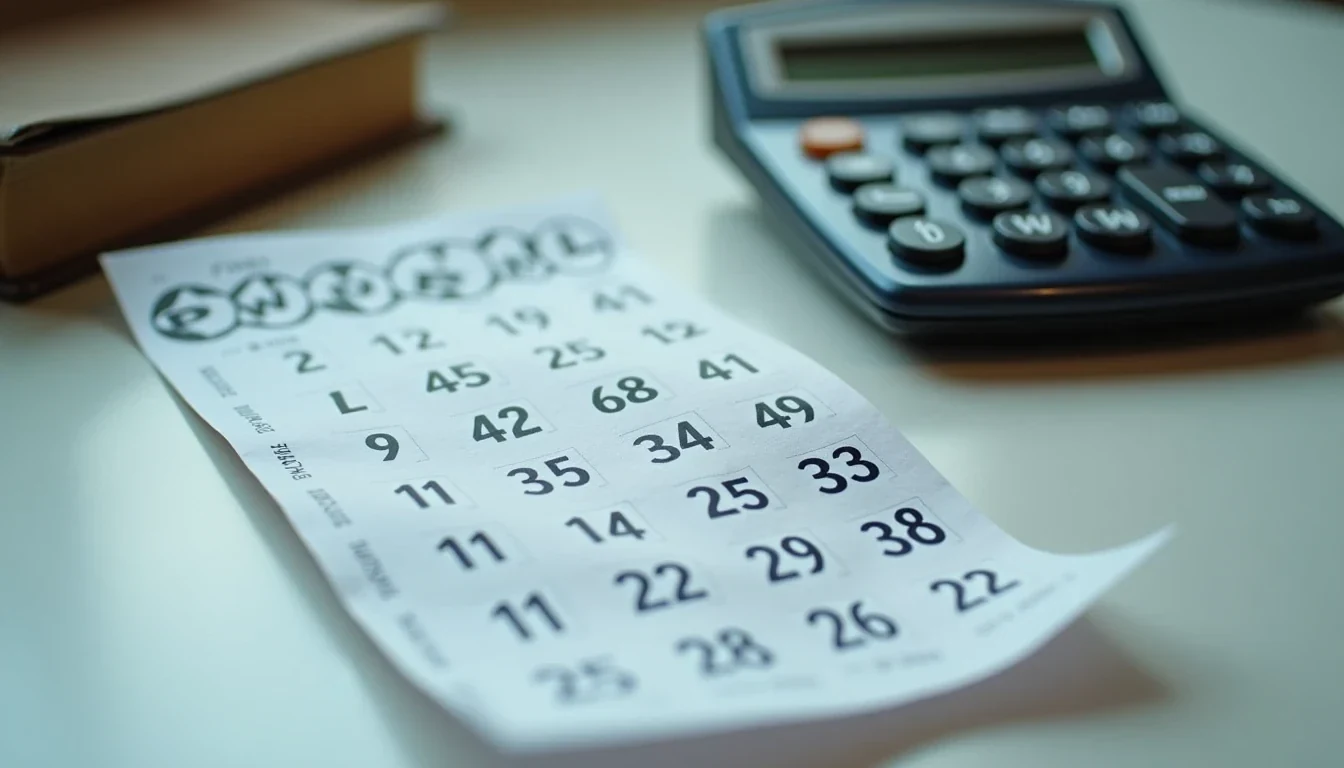
- Ticket matrix: 5 white balls from 69, plus 1 Powerball from 26
- Typical ticket price: $2
- Jackpot growth: driven by sales and rollovers
The picture is simple once you strip away the hype. More sales do not make the game easier. They just make the prize grow faster because the money feeding it arrives more quickly.
The jackpot can rise while your odds stay frozen
The odds of hitting the Powerball jackpot are fixed by the game’s number set. A ticket is one combination out of 292,201,338 possible combinations. That figure does not move just because more people join the draw. Whether a hundred players are in the game or a hundred million, your own slip still needs to match the winning numbers exactly.
This is where the illusion gets people. A record-sized jackpot can make the draw feel more winnable because the prize is suddenly impossible to ignore. The psychology is obvious. The maths is not moving. A bigger prize is not a friendlier prize.
Powerball’s structure keeps the probability locked in place. The ball ranges do not expand because more tickets are sold. The number of possible combinations stays the same. What changes is the amount of money sitting at the top when nobody nails the right line. That is a growth story, not an odds story.
For players, the distinction is everything. Jackpot size tells you how loud the moment is. Probability tells you how hard it is to win. Those are different questions. The second one never gets easier just because the first one gets more dramatic.
Why rollovers create the frenzy
The real fireworks start when draws keep rolling over. No jackpot winner means the top prize carries forward, then grows again from the next wave of sales. If sales are strong, each rollover adds a hefty chunk, and the number can jump fast enough to feel unreal.
Giant prizes are made by repetition. No winner, add more money, repeat. The cycle turns a standard draw into a record chaser.
There is also a smaller side effect. As ticket volume rises, the chance that someone wins any prize rises too, and the chance that more than one player lands on the same jackpot combination rises with it. That can lead to split wins. Huge drawings sometimes end with more than one jackpot ticket. The biggest Powerball prize ever, $1.586 billion on 13 January 2016, was shared by three tickets sold in California, Florida and Tennessee.
So the spectacle grows in two directions at once. The jackpot gets larger, and the field of possible winners gets busier. That makes the draw feel more alive, but it does not make one line on one slip any less of a long shot.
What players are really buying
People do not buy lottery tickets because the odds are flattering. They buy them because the fantasy is cheap. A $2 ticket purchases a few days of mental real estate, the private movie where bills disappear, relatives get sorted, and a windfall turns into a new life before dinner.
That is the real product: a burst of possibility. It is not a rational investment or a statistical edge.
Once you see it that way, the whole Powerball paradox makes sense. Bigger crowds, bigger jackpots, more noise, more rollover drama. The individual chance stays pinned at the same near-impossible level. The prize grows because the audience grows. The dream gets bigger because more people are feeding it. Your ticket does not.
The clean way to read a giant jackpot
A swollen jackpot is a statement about attention, not advantage. It tells you that enough people have bought in to push the number higher, often very quickly. It does not tell you that your line has improved.
If you want the simplest rule, use this one. Treat the jackpot as the scale of the event, and treat the odds as the odds. One is about the size of the crowd and the money they have put in. The other is about your ticket’s lonely, fixed chance of matching the winning numbers.
That split is the whole story. The prize can become record-breaking. Your odds do not budge.